
How EHRs Give Time Back to Nurses
By Cathy Turner – It’s Nurses Week! Let’s talk nurses. It goes without saying that nurses are busy. Caring for patients and keeping up with documentation takes up the majority of their time and resources.
Read More
By Cathy Turner – It’s Nurses Week! Let’s talk nurses. It goes without saying that nurses are busy. Caring for patients and keeping up with documentation takes up the majority of their time and resources.
Read More
By Bennett Lauber – The usability (or lack thereof) of Healthcare IT has been in the news a lot again. This time a research report published in JAMA researchers analyzed voluntary error reports associated with EHR systems and found that problems with EHR usability may have directly resulted in patient harm.
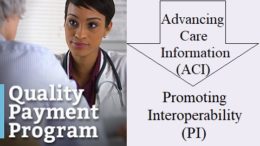
By Tom S. Lee PhD – CMS continues to refine and streamline incentive programs, this time focusing on Meaningful Use of Electronic Health Record for hospitals and the Advancing Care Information category for the Merit-based Incentive Payment System.
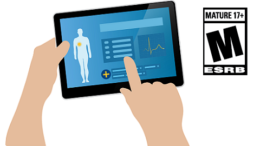
By Bennett Lauber – Back in the 1980s Tipper Gore. Susan Baker, and several others created the Parents Music Resource Center (PMRC) with the intent of increasing parental control over the access of children to music deemed to have violent, drug-related or sexual themes.

Black Book Research announced the top ambulatory EHR rankings as collected from 18,950 physician practices in client experience and satisfaction. Integrated EHR PM RCM ICD10 vendor tools get top marks in the mined US outpatient market.

By David Kushan – It’s very difficult to hit a moving target; even more so if that target isn’t easy to spot. If you dive into an EHR project without a clear sense of where you want to go and what it’s going to take to get there, you’re flying blind.
By Bennett Lauber – The usability of the system is probably the most important factor in making an informed choice of which EHR to use for your practice. Most every bit of software says that it is easy to use, but how can you choose an EHR that is actually usable?

By Dr. Arlene Bierman – We are only just beginning to harness the power of “real world data” to provide the evidence needed to improve health care quality, safety, and outcomes.
By Edmond Zhang – Deep learning technology has numerous innovative medical applications, one that stands out in the field of precision medicine is the ability to utilize electronic health records to create better models for patient representation.