
How We Are Rewriting Care for the Most Critical Conditions
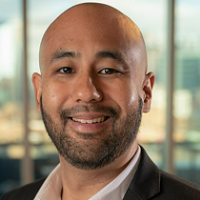 Guest: Bobby Reddy Jr., PhD, CEO, Prenosis
LinkedIn: Bobby Reddy Jr.
LinkedIn: Prenosis
When I first stepped into the intensive care unit at Carle Foundation Hospital in Champaign, Illinois, about a decade ago, I wasn’t there as a physician. I was an engineer with a hunch.
For the better part of two years, I spent time interviewing doctors, nurses, technicians, and patients. What I witnessed in those hallways completely changed the trajectory of my career.
In this conversation with Beth Friedman on FINN Voices, I reflect on the realization that drove me back then: we simply do not understand the biology of the most serious conditions in the hospital. Oncology has benefited from massive, coordinated efforts like the Human Genome Project to decode the molecular nuances of cancer. However, no equivalent effort had ever been undertaken for acute care’s most costly, and most common diseases. Until now.
We believe that the most-deadly conditions in the hospital are not the single, monolithic diseases medicine has long assumed them to be. Instead, they are a combination of many different types of biological signatures that can often present similar clinically.
Prenosis has assembled one of the largest hybrid biomarker-clinical datasets in acute care, earned FDA authorization for the first AI-driven sepsis detection tool, and secured a $20 million federal contract to run a landmark randomized clinical trial.
Sepsis: An Acute Care Crisis Hiding in Plain Sight
The numbers surrounding sepsis are staggering. It is associated with roughly 21.4 million deaths globally each year. In the United States, sepsis consistently ranks among the most expensive conditions treated in hospitals.
Yet, despite this human and economic burden, the standard of care has remained virtually unchanged for decades: antibiotics, intravenous fluids, and watchful waiting. The lab tests ordered today are essentially the same ones ordered in the 1990s.
When a patient enters the hospital with sepsis, clinicians are often forced to just wait and hope they get better, rather than treating a precisely understood underlying disease. Sepsis isn’t alone in this.
Acute heart failure, pneumonia, and acute kidney disease all share this same characteristic: they escalate rapidly, but they are biologically heterogeneous in ways we are only beginning to appreciate.
Biological Subtypes Hold the Secret to Early Intervention
Through our research at Prenosis, spanning more than 140,000 longitudinal samples from over 35,000 patients, we have shown that what we commonly call “sepsis” is actually a collection of at least eight biologically distinct subtypes. The clinical implications of this are profound.
For example, a drug that helps patients in subtypes one and three might actively harm that same patient in subtype two. This biological blind spot explains why sepsis can advance so rapidly in some patients, and why sepsis clinical trials have failed over the past thirty years.
Biomarkers Plus EHR Data: Smarter Precision Medicine for Acute Care
At Prenosis, we built a two-stage platform to fix this. The first stage is our biological “map.” Unlike a single snapshot, we capture serial blood samples across a patient’s hospital stay to see how their biology evolves. We then measure a novel panel of biomarkers and combine them with clinical data from the EHR to build a holistic biological portrait.
The second stage is our “GPS,” a real-time clinical decision support tool. When a patient shows signs of suspected sepsis or pneumonia, a companion test is ordered. Our point-of-care analyzer processes the blood sample in under 30 minutes, streams the EHR data, and runs it through a cloud-based AI engine.
In less than an hour, the clinician receives a readout pinpointing the patient’s biological subtype and a tailored risk score, helping to guide clinical decision-making. This speed is critical as sepsis can shift from a mild infection to total organ failure in hours.
The Road Ahead: Intelligence for Corticosteroid Therapy
Our next phase is an upcoming 800-patient randomized controlled trial focusing on corticosteroid therapy, supported by a $20 million BARDA contract. Like sepsis, biomedical subtypes exist across three hyperinflammation states.
Clinicians frequently use steroids to suppress this hyperinflammation, but they currently lack tools to know if a patient’s immune system is hyperinflammatory, normal, or suppressed. Giving an immunosuppressant to an already immune-suppressed patient can be devastating. Our companion diagnostic aims to close that gap in under an hour by objectively identifying the patients who have hyperinflammation and would be appropriately treated with steroids.
In collaboration with Vanderbilt Coordinating Center across dozens of academic sites, this network will establish the clinical validation engine for the steroids companion diagnostic, but also future companion diagnostics tied to novel therapeutics.
Saving Lives through Precision Medicine
Patients arriving in emergency departments deserve more than fluids, antibiotics and hope. They deserve a diagnosis that reflects their actual biology and a treatment selected specifically for them. We are finally turning precision medicine in acute care from a decade-long concept into a real product that saves lives.
Listen to the Conversation
About FINN Voices Podcast
Amplifying the power of health innovation to improve people’s lives.
FINN Voices amplifies the power of health innovation and information technology. Hosted by health experts from FINN Partners, each episode offers a peek behind the curtain of innovation with healthcare’s leading changemakers. We talk about their ideas and challenges along the way; continually shaping critical conversations and introducing the new health technologies that lie ahead.
Follow the show’s hashtag #FINNvoices